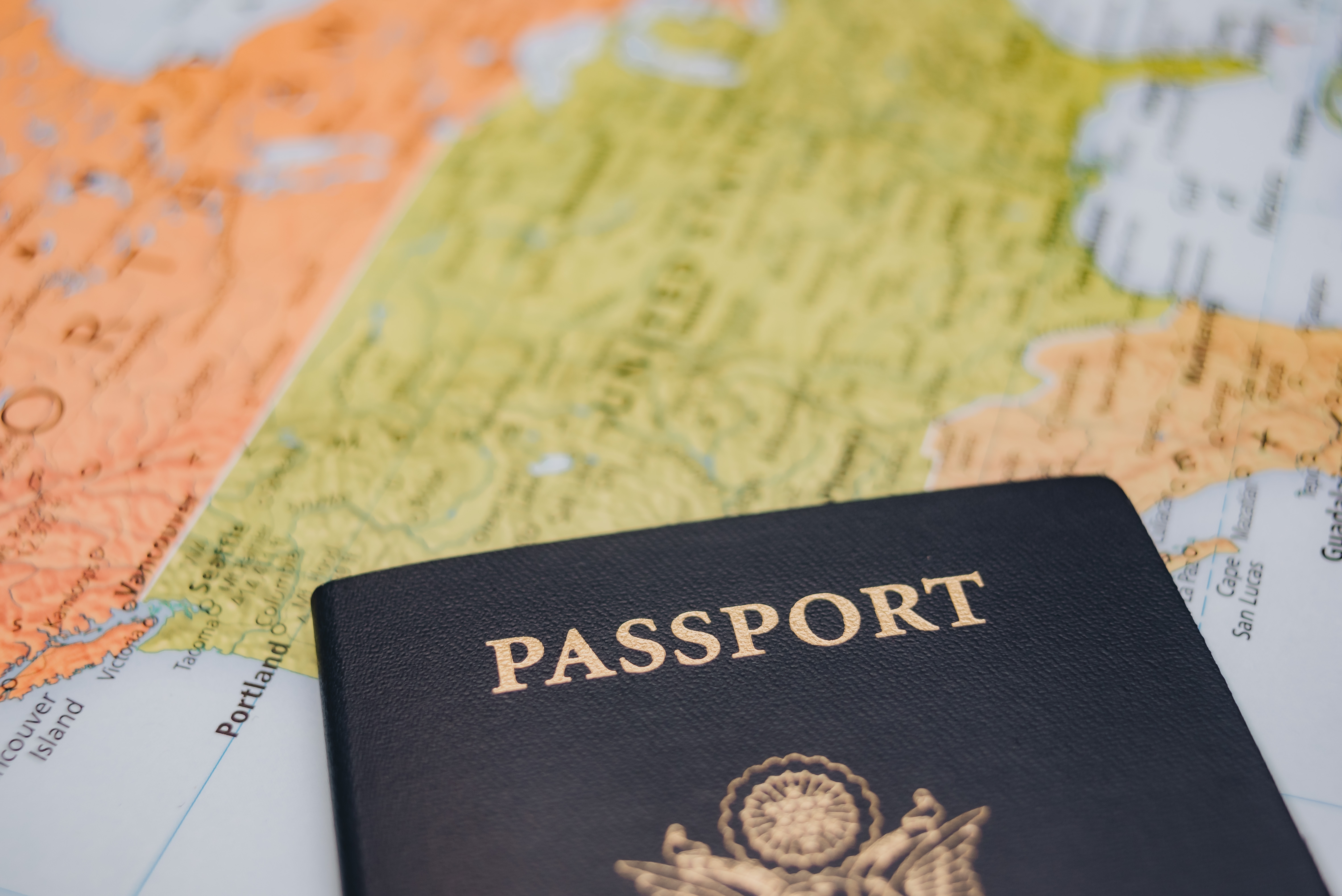
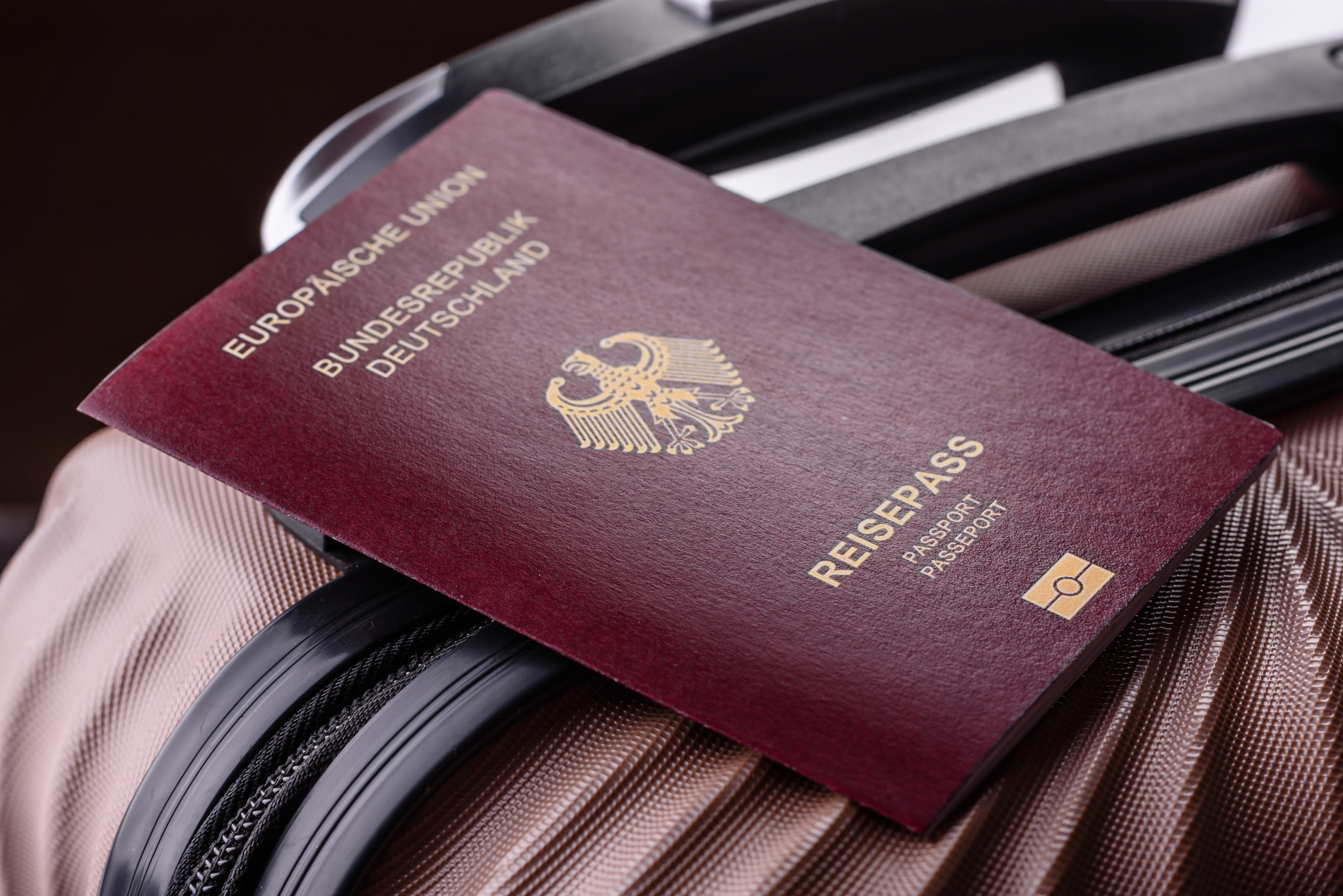
Visa sponsorship occurs when an individual or company is responsible for a foreign national entering the country to live, study, or work.
The sponsorship may be necessary for some visa categories, and it basically means a traveler is supported during the trip.
What is more, the process for a visa sponsorship requires proper preparation. Usually, visitors need a valid passport and additional documentation, such as bank statements.
The specific procedures vary, depending on the country and permit type, so it's crucial to check all the rules and conditions beforehand.
What is Visa Sponsorship?
Visa sponsorship is the formal process in which an organization, institution, or individual supports a foreign national’s application to live, work, or study in a specific country.
Most commonly, employers sponsor foreign workers, but educational institutions and even family members can also act as sponsors, depending on the visa category.
For job-based sponsorship, a company certifies that it has a genuine offer and takes responsibility for ensuring that the employment terms comply with the host country’s laws and regulations.
The sponsorship is often a requirement for many non-citizens seeking to legally work and reside in another country.
Types of Visa Sponsorship
Visa sponsorship covers a variety of categories based on the purpose of travel.
Common visa sponsorship types include:
- Skilled Worker Visas: For professionals with specific expertise (e.g., H-1B in the US, Skilled Worker in the UK).
- Intra-Company Transfers: For employees moving between offices of the same multinational company (e.g., US L-1, UK ICT visa).
- Student Visas: Educational institutions sponsor international students.
- Family-Sponsored Visas: For family reunification or dependents.
- Extraordinary Ability or Talent Visas: For individuals who demonstrate exceptional abilities in their field (e.g., artists, athletes, researchers).
- Entrepreneur and Investor Visas: For those willing to invest substantial capital or start businesses in the host country.
Each category has specific conditions that must be followed by the applicants and sponsors.
How Does Employment Visa Sponsorship Work?
Employment visa sponsorship is essential for those seeking a job offer in a foreign country.
While the details differ by destination, most work visa sponsorship processes involve several core steps:
- Job offer: The sponsoring employer offers a position to a foreign national after confirming they are qualified for the role.
- Labor market testing (if required): In some countries, such as the United States and the United Kingdom, the employer may have to prove that there are no suitable candidates locally before hiring a foreign worker.
- Petition or application submission: The employer files a formal petition or application with the relevant immigration or governmental authority.
- Assessment and approval: The authorities review the application. If all requirements are met, the sponsorship is approved.
- Visa application: The sponsored individual submits a visa form with necessary files, often including an interview, biometrics, medical exams, and background checks.
- Visa issuance: Upon approval, the foreign national receives their visa, allowing them to travel, reside, and work/study in the host country under the specified terms.
The procedure is more demanding than getting, for example, a Tourist Visa, as it requires the cooperation of an individual and a sponsor.
The most crucial aspect is careful preparation and obeying the rules set by the government to avoid issues.
Responsibilities of Sponsors and Applicants
Visa sponsorship comes with significant responsibilities for both parties.
- For sponsors
Sponsors must make sure that the offer and terms comply with local laws and that all information provided in applications is accurate.
Additionally, sponsors must track and report any status changes, such as termination or a different address, to the relevant authorities.
Depending on the country, they may also be responsible for covering specific fees and costs associated with the sponsorship process.
- For sponsored individuals
Sponsored individuals must submit truthful and complete information in their applications and work or reside only under the terms specified in their visa.
It is crucial to maintain legal immigration status at all times, report any changes in address or significant life events as required, and comply with all laws and regulations of the new country.
Failing to meet these responsibilities can result in visa revocation, fines, or even bans on future submissions.
Frequently Asked Questions
- Can any company sponsor a foreign employee?
Most companies can sponsor foreign workers if they have a legitimate business and the job position meets sponsorship criteria. Some countries require sponsors to be registered or meet specific requirements. - How long does the visa sponsorship process take?
Timelines vary by country and visa type. Processes can range from a few weeks to over a year, depending on case complexity. - Can a sponsored employee change jobs?
In many countries, the original sponsorship is tied to the sponsoring employer. Changing jobs usually means starting the visa process again with a new sponsor, though some visas (or after a certain period) allow more flexibility. - What costs are involved for a visa sponsorship?
Costs include government filing fees, legal expenses, and, in some cases, recruitment. Often, employers are required to cover most or all of these payments. - Does sponsorship guarantee visa approval?
While sponsorship is required, it does not guarantee approval. Immigration authorities may reject an application if there are discrepancies, a lack of documentation, or if quotas are filled. - Can visa sponsorship lead to permanent residency?
Many work permit programs offer pathways to permanent residence, but it typically requires meeting certain conditions like working for several years, proving continued employment, or passing language and integration tests.
Conclusion
Visa sponsorship is a cornerstone of global mobility, linking skilled talent with employers and opportunities worldwide.
Although the process can be complex—requiring careful planning, compliance, and patience—the rewards can be life-changing for individuals and transformative for organizations.
By understanding the details of visa sponsorship, both sponsors and applicants can navigate the challenges more confidently and unlock a world of possibilities.