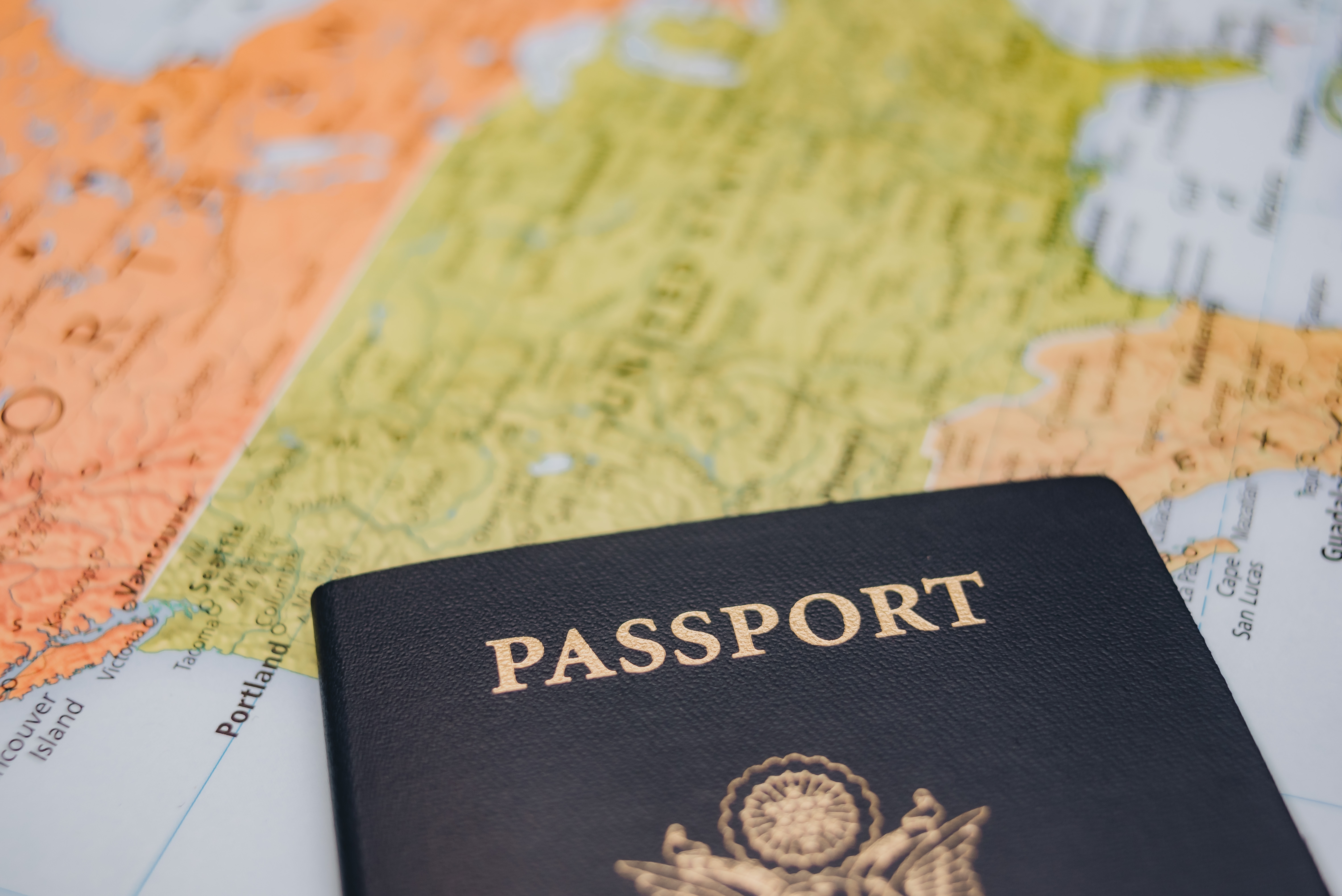
What a Machine-Readable Passport Is
A Machine-Readable Passport (MRP) is a travel document designed to be quickly scanned and verified by automated systems at border control points.
It contains a special machine-readable zone (MRZ), usually located at the bottom of the identity page, which stores personal and document information in a standardized format.
This technology allows immigration authorities to process travelers more efficiently while reducing errors linked to manual data entry.
This innovation enhances security and streamlines international travel for millions of passengers worldwide.
How Machine-Readable Technology Works
The machine-readable zone includes encoded data such as the passport holder’s name, passport number, nationality, and date of birth.
Border control systems scan this zone and instantly retrieve the information for verification.
By automating identity checks, MRPs help speed up border procedures and improve accuracy when comparing traveler data with security databases.
Why Machine-Readable Passports Are Important
Machine-readable passports play a key role in enhancing international travel security.
They help reduce fraud, support faster processing at airports, and allow authorities to identify travelers more reliably.
Many countries require travelers to hold machine-readable passports in order to qualify for visa-free travel, visa waiver programs, or electronic travel authorizations.
This technology ensures a more seamless and secure travel experience for both passengers and authorities.
Who Uses Machine-Readable Passports
Most travelers worldwide now use machine-readable passports, as they have become the international standard.
They are issued to citizens for regular travel and are accepted by immigration systems across the globe.
Older non-machine-readable passports may no longer be valid for international travel or may restrict entry into certain countries.
How Machine-Readable Passports Differ From Biometric Passports
While all biometric passports are machine-readable, not all machine-readable passports contain biometric chips.
MRPs rely on printed and encoded data, whereas biometric passports also store digital biometric information, such as facial data, on an embedded electronic chip.
Both types support automated border control, but biometric passports offer an additional layer of security.