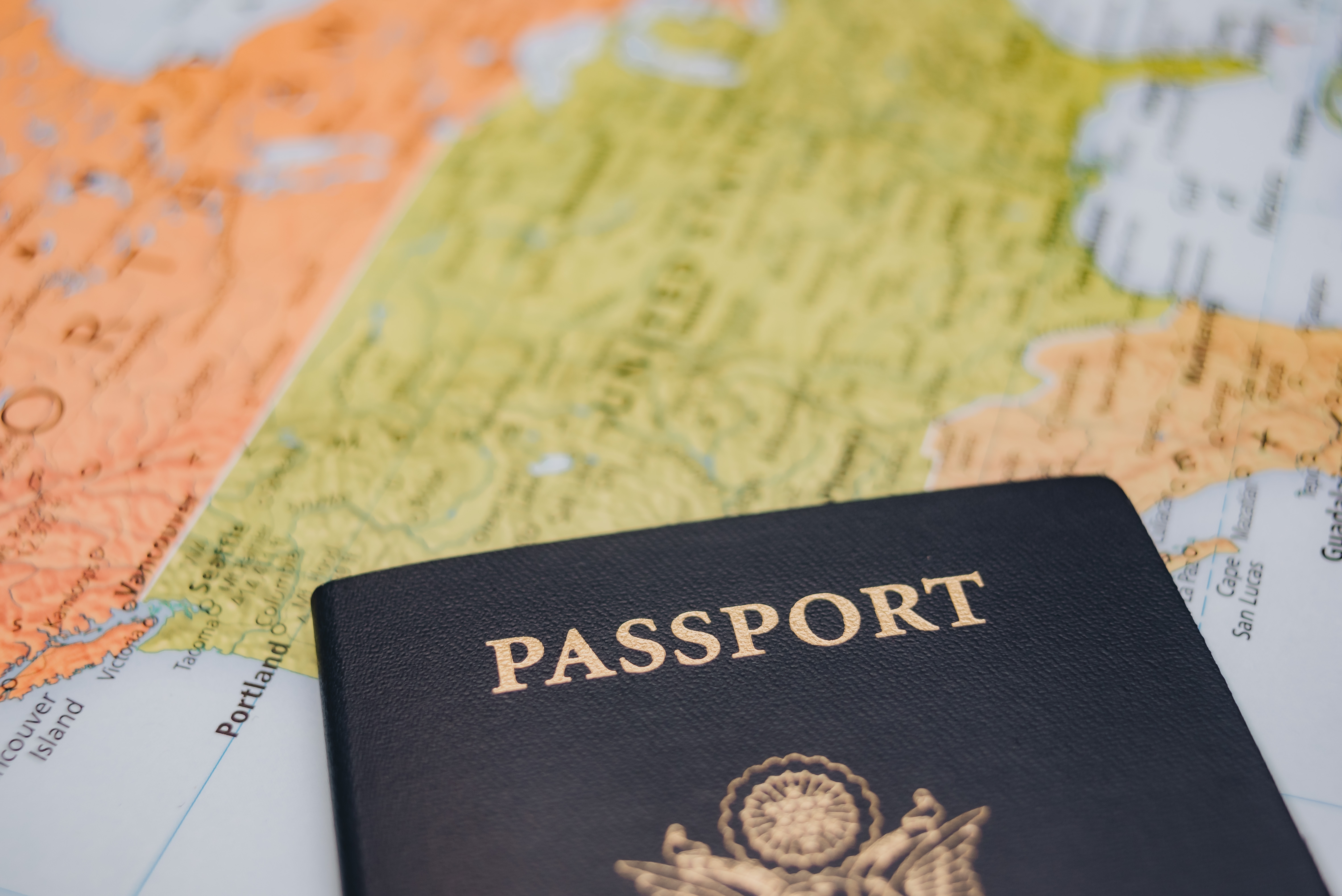
What Is a Vaccine Passport
A Vaccine Passport is a health-related travel document that shows proof of vaccination against certain diseases, most commonly those that pose public health risks during international travel.
It serves as evidence that a traveler meets the health requirements set by the destination country.
These passports can be physical certificates or digital records stored in official apps or government-approved systems.
How Health Verification Systems Operate
Vaccine passports work by confirming a traveler’s vaccination status through recognized medical records.
The document typically includes the type of vaccine received, the date of administration, and the issuing medical authority.
Some countries may also include test results or recovery certificates as part of their broader health verification systems, depending on current regulations.
Who Typically Uses a Vaccine Passport
Travelers visiting countries with specific health entry rules are the primary users of vaccine passports.
Certain destinations require proof of vaccination for diseases such as yellow fever, while others may have temporary requirements linked to global health situations.
Events, cruises, or large gatherings may also request vaccine documentation to ensure safety.
How to Get a Vaccine Passport
Obtaining a vaccine passport usually starts with receiving the required vaccinations from an approved medical provider.
After vaccination, travelers can request an official certificate or access a digital version through a government health portal or authorized app.
Some countries require registration in their national health system, submission of medical records, or identity verification before issuing the passport.
Processing times vary, so travelers should apply early to ensure they have the necessary documentation before departure.
How Vaccine Passports Are Checked
Verification is typically done at airline check-in counters, border control points, or through digital systems.
Authorities check the authenticity of the document, confirm the traveler meets entry requirements, and ensure the information matches the traveler’s identity.
Digital systems may use QR codes or secure databases to streamline the process.