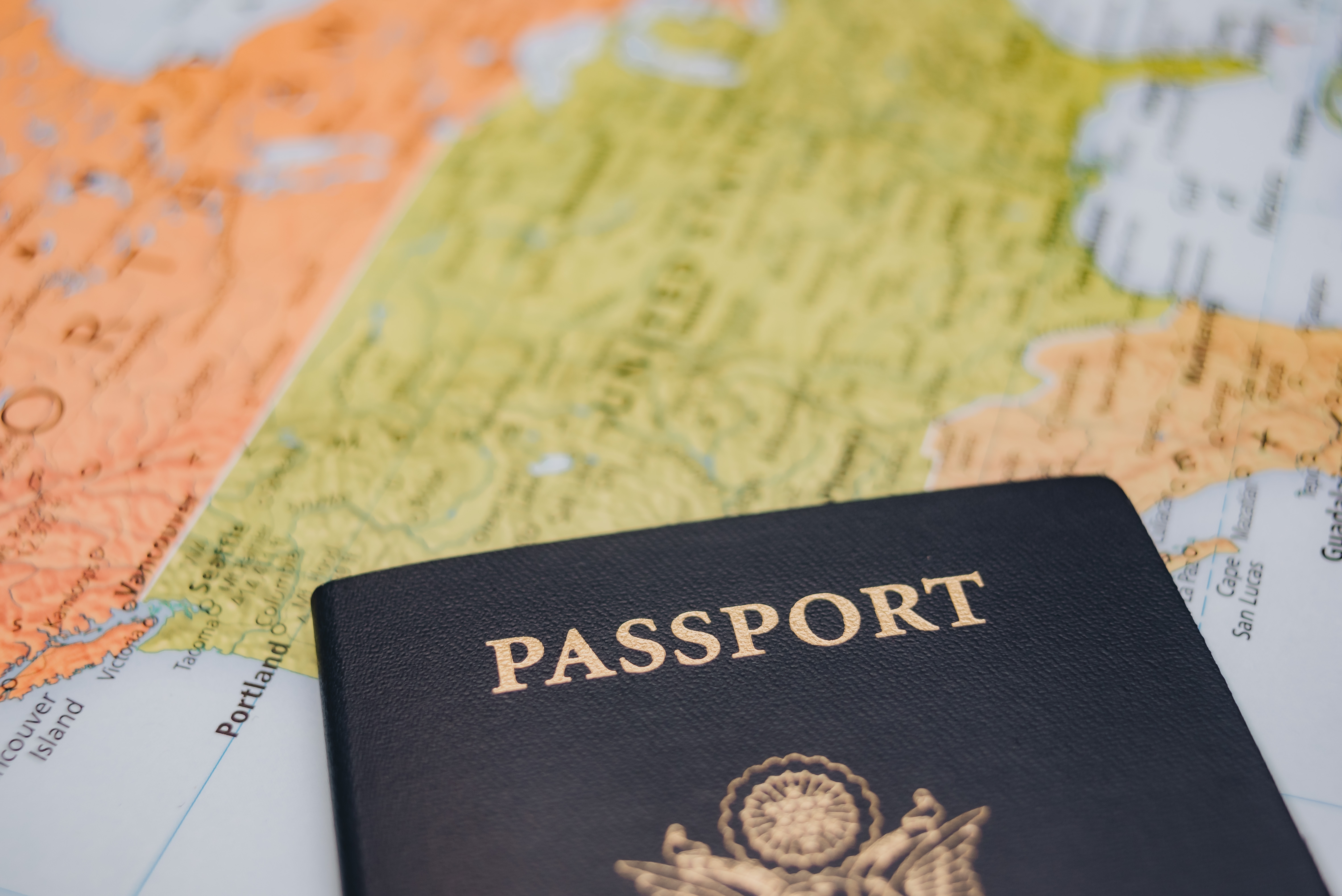
A Single-Entry Visa is an entry permit that grants the holder permission to visit a country for one specific visit.
Once the traveler exits the country, the visa is considered used and becomes invalid for any subsequent entries.
This type of visa is typically issued for a defined purpose, such as tourism, business, or transit, and is suitable for individuals planning a single, uninterrupted trip to a destination.
Understanding the requirements of a Single-Entry Visa is a crucial aspect of international travel, enabling compliance with the host country's immigration regulations.
What is a Single-Entry Visa?
A Single-Entry Visa is an official travel document that permits a foreign national to go to a country one time for a specific period.
Once you enter the host country and then leave, the visa becomes void. It doesn't matter if you stayed for the full duration allowed by the visa or just for a single day.
The moment you exit the country—whether you are returning home or traveling to another nation—the permission to re-enter using that same visa is terminated.
The primary purpose of a Single-Entry Visa is to give a country control over who enters its borders and for what reason.
This visa type may be issued for various purposes, such as tourism, business, transit, or medical treatment.
The Application Process and Requirements for Single-Entry Visas
While the specific requirements for a Single-Entry Visa vary by country, the application process generally follows a standard pattern.
It's essential to check the official embassy or consulate website of the destination country for the most accurate and up-to-date information.
- Complete the form: Most countries now have online application portals. You will need to fill out a detailed form with personal information, travel history, and details about your intended trip. Accuracy is critical, as mistakes can lead to delays or rejection.
- Provide a passport: It must be valid for at least 6 months beyond the intended departure date from the host country. It must also have at least one blank page for the visa sticker.
- Attach the supporting documentation: Among the necessary documents may be face photos, return/onward tickets, proof of accommodation, itinerary, etc.
- Pay the visa fee: A non-refundable fee is required for the process. The prices vary widely depending on the country.
- Attend an interview or biometrics appointment: Some countries require an in-person interview at the embassy. You may also need to provide biometric data, such as fingerprints and a digital photograph.
It is advisable to apply for a Single-Entry Visa well in advance of a planned travel date, as processing times can range from a few days to several weeks.
What is the Difference between Single- and Multiple-Entry Visas?
A Single-Entry Visa allows the holder to enter the destination country only once within the validity period of the visa.
When the traveler leaves the country, the visa becomes invalid, even if there are unused days remaining.
On the other hand, a Multiple-Entry Visa permits the holder to enter and exit the destination country multiple times within the visa's validity period.
This option is often more convenient for frequent travelers but may require additional documentation or higher fees during the process.
Advantages and Limitations of Single-Entry Visas
Choosing a Single-Entry Visa comes with its own set of pros and cons.
Among the advantages are the following:
- Cost-effective: They are generally cheaper than Multiple-Entry Visas. If you only plan one trip, there's no need to pay extra for entries you won't use.
- Simpler to obtain: In some cases, the requirements and rules for a Single-Entry Visa can be less intensive than for a Multiple-Entry Visa, as the travel intent is more straightforward.
- Shorter processing times: Because the scope of travel is limited, applications for single-entry permits may be processed more quickly by consular staff.
However, Single-Entry Visas have their limitations as well:
- No re-entry allowed: The most significant limitation is its "one-and-done" nature. If you leave the country for any reason, even for a quick day trip to a neighboring nation, you cannot re-enter on the same visa.
- Inflexibility: It offers no flexibility for spontaneous travel. If your plans change and you decide you want to visit a neighboring country and then return, you would need to apply for a new visa, which is often impractical.
- Potential for complications: An emergency at home that requires you to leave and then return can become a significant issue. Unexpected side trips or a change in itinerary can also lead to you being denied re-entry.
Ultimately, Single-Entry Visas come with both advantages and disadvantages.
While they can simplify travel plans and may be more cost-effective, their lack of flexibility and potential for complications may create significant challenges.
Frequently Asked Questions
- What happens if I have a Single-Entry Visa and need to leave the country for an emergency?
If you leave the country, your Single-Entry Visa becomes invalid. To re-enter, you would need to apply for a new visa. - Can I extend my stay on a Single-Entry Visa?
This depends on the country's immigration laws. Some countries may allow you to apply for an extension from within the country before your initial visa expires. - What is the difference between a Single-Entry Visa and a Multiple-Entry Visa?
A Single-Entry Visa allows entry into a country only once. In contrast, a Multiple-Entry Visa permits you to enter, leave, and re-enter the host country many times. - How long is a Single-Entry Visa valid for?
The validity of Single-Entry Visas differs, as they depend on the specific country's regulations. - Does having a Single-Entry Visa guarantee my entry into the country?
A visa only grants permission to travel to a country's port of entry. The final decision to allow you into the country rests with the immigration officer at the border.
Conclusion
The Single-Entry Visa is a practical and widely used tool for travelers planning a single, uninterrupted trip to another country.
It is a cost-effective and straightforward option for vacations, specific business engagements, and family visits.
By understanding its purpose and limitations, you can make an informed decision that best suits your travel style.