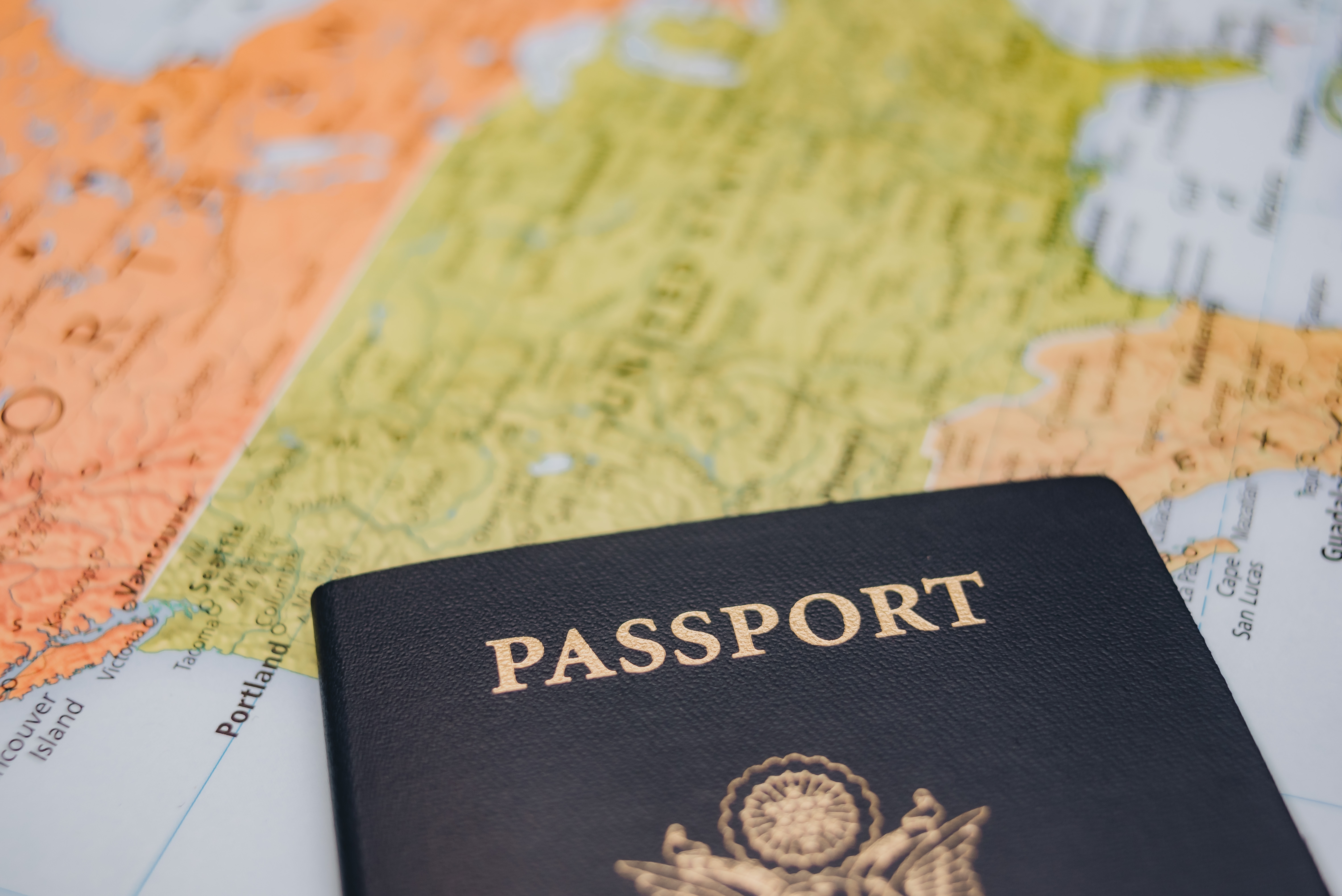
A residence permit is a necessary document for those who want to live legally in a foreign country.
Among the types of residence permits are temporary and permanent options. The first one allows a limited visit, while the second is an indefinite stay.
Residents typically have more rights and privileges compared to visa holders, but generally fewer rights than full citizens.
To obtain a residence permit, applicants must follow specific steps and meet the eligibility requirements of the country they wish to reside in.
The process typically starts with gathering the necessary documents, such as a valid passport, recent photographs, proof of financial resources, and any supporting paperwork, depending on the purpose of the stay.
Different Types of Residence Permits
Residence permits generally fall into two main categories: permanent and temporary.
A temporary residence permit allows individuals to stay in a country for a limited time, often for purposes like work, study, or family reunification.
In contrast, a permanent residence permit grants long-term or indefinite stay, providing more stability and fewer restrictions.
Temporary permits often need renewal, while permanent permits may require meeting specific conditions before being granted.
Both types determine the rights and activities allowed, such as employment or access to public services, depending on the country's regulations.
Application Process for a Residence Permit
Getting a residence permit can feel complex, but understanding the general steps can make it much more manageable.
While the exact procedure varies by country, the core process often follows a similar pattern.
- Determine eligibility: Research the specific requirements of the country where you plan to apply. Make sure you meet the criteria, such as financial stability, purpose of stay, or sponsorship.
- Prepare documents: Gather all necessary files, such as proof of identity, evidence of purpose (e.g., a work contract, enrollment in a school), financial statements, and valid health insurance.
- Submit application: Complete the residence permit form and submit it through the appropriate government agency or online portal. Make sure to double-check all details for accuracy.
- Pay fees: Cover the costs associated with processing your application.
- Attend an interview or appointment: Some countries require an in-person interview or biometrics appointment as part of the application process. Be prepared to provide additional information if requested.
Once all steps are completed, patience is essential as processing times may vary.
A residence permit opens opportunities for work, study, or living, making the effort worthwhile.
Documentation and Requirements for Residence Permit
Most applications for a residence permit require a standard set of documents; these almost always include:
- A passport: It must usually be valid for the entire duration of the intended stay.
- Completed form: Fill it out carefully and honestly.
- Face photos: Meeting specific size and background color requirements.
- Evidence of financial means: You will likely need to show bank statements or a letter from the employer to prove you can support yourself.
- Proof of accommodation: Some countries require evidence of where you will live, such as a rental agreement.
- Health insurance: You will need to demonstrate that you have adequate health coverage for your stay.
- Criminal record check: Many countries request a police clearance certificate from your home country.
Once you have gathered all the documents, you will submit them, along with the application fee, to the designated embassy, consulate, or immigration office.
In some cases, you may need to attend an in-person interview. After submission, the waiting begins as the application is processed by the immigration authorities.
The Benefits and Challenges of Holding a Residence Permit
Holding a residence permit comes with a variety of advantages and responsibilities.
While it often grants access to numerous rights and opportunities in a new country, it also presents unique challenges that require careful preparation.
The most significant benefit is the legal right to live in a new country. This stability allows you to integrate into society more fully.
With a residence permit, you often gain access to essential services. This can include public healthcare, social security benefits, and enrollment in public schools for children.
While a residence permit grants you many rights, it's important to remember that you are not a citizen.
The permit is conditional and comes with rules you must follow. For instance, most permits are tied to a specific purpose. If you have a student permit, you can't simply drop out of school and start working full-time.
Permits are also issued for a limited time and must be renewed. The renewal process can be just as demanding as the initial application, requiring you to prove that you still meet all the conditions.
Frequently Asked Questions
- How long does it take to get a residence permit?
The processing time for a residence permit varies widely depending on the country, the type of permit, and the volume of applications being handled. It can take anywhere from a few weeks to several months. - Can I work with any residence permit?
Usually, in order to be employed in a foreign country, a work permit is necessary. Basically, a residence permit doesn't allow working. - What happens if my residence permit application is denied?
If your application is denied, you will receive a formal notification, usually explaining the reason for the rejection. Common reasons include incomplete documentation, failure to meet financial requirements, or security concerns. - Can I extend my residence permit?
In many cases, travelers can apply for an extension before their current permit expires. The process involves submitting a renewal application.
Conclusion
A residence permit provides the legal foundation upon which you can build a new career, pursue an education, and create a home for yourself and your family.
While the process of obtaining one can be rigorous and the rules strict, the benefits of legal residency are life-changing.
By carefully researching the requirements, preparing your application carefully, and understanding the responsibilities that come with your permit, you can take this important step toward the international aspirations.