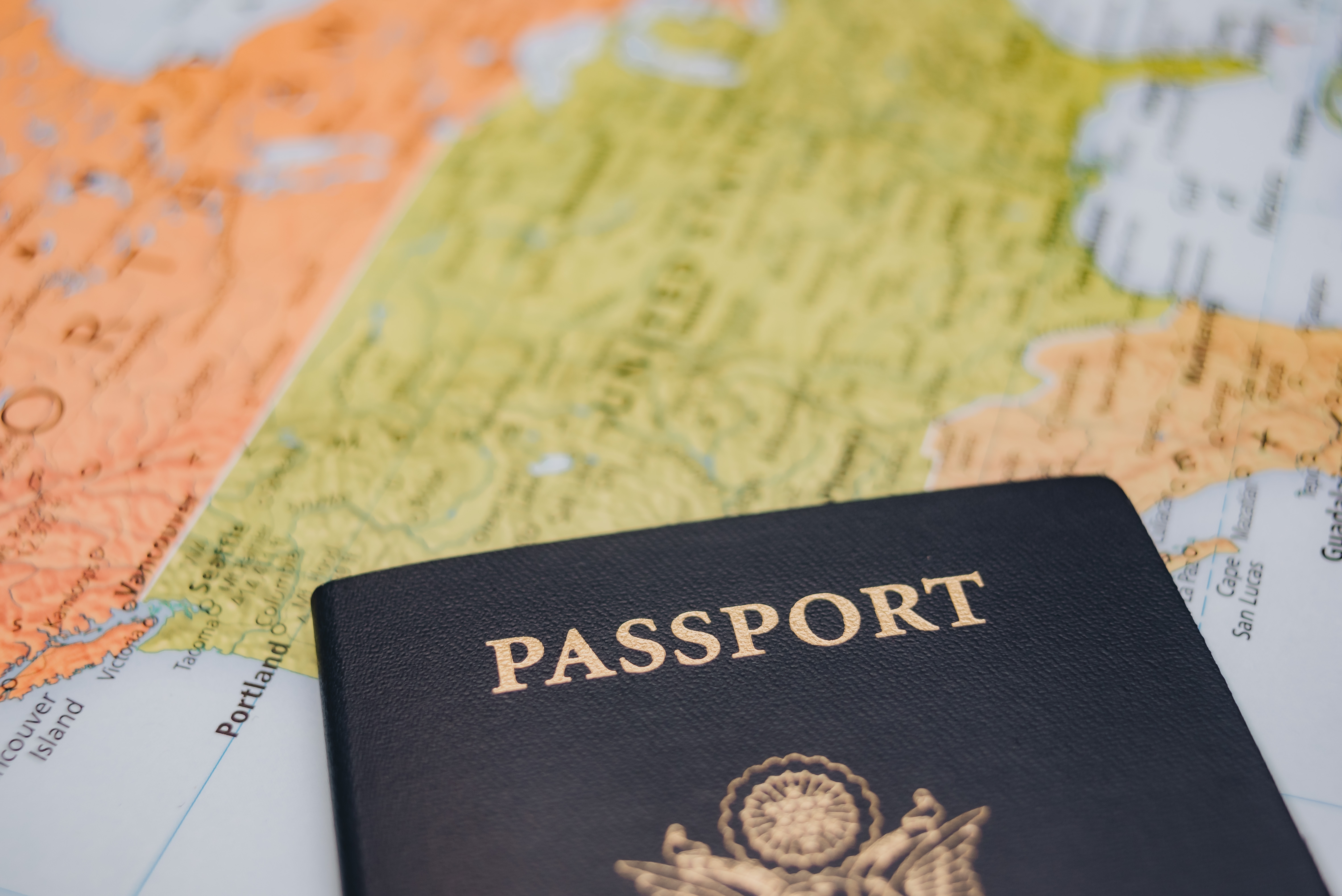
The process of embassy registration involves informing the diplomatic mission about the travel plans.
While it is a voluntary measure, taking a few moments to register can provide a significant layer of security during your time overseas.
All citizens traveling internationally are strongly encouraged to register their trip with the nearest diplomatic mission.
Whether you are heading out for a short vacation, a business engagement, or a long-term stay, registering a presence helps authorities reach you and offer support during an emergency.
Should You Register with the Embassy?
Although registration is not mandatory, the advantages it offers are substantial. It can be treated as a measure that helps to avoid or manage potential problems that might arise during trips.
A key benefit is access to timely information. Once registered, you will receive important updates and safety recommendations for your destination.
Furthermore, in the event of a crisis like a natural disaster or a security threat, an embassy will know you are in the affected area.
This allows them to verify your safety and coordinate assistance if you need it. If you face serious personal difficulties—such as legal trouble, a medical emergency, or financial issues—consular officials can provide valuable help.
The connection works both ways. By providing the contact details, you make it possible for the embassy to reach you if an urgent situation arises back home and the family needs to get in touch.
How to Register a Trip Overseas
The process of registering with an embassy or consulate is generally straightforward. The specific steps can vary by country, but most governments have made it a simple and accessible task.
Common methods for registration include online processes, which are usually the most efficient.
The United States, for instance, offers multiple registration methods through its Smart Traveler Enrollment Program (STEP). It's wise to check a specific country's foreign affairs department website for their procedures.
Once you are registered, it is important to keep your information current. You should contact the embassy or consulate if:
- Contact information or itinerary changes.
- You decide to return to home country earlier than planned.
- Your civil status changes (e.g., marriage or birth of a child).
In some cases, the registration of one person may automatically cover immediate family members traveling with them for the entire duration of the trip, simplifying the process for families.
Frequently Asked Questions
- Is embassy registration required by law?
Registering with a country's embassy or consulate is entirely voluntary and not a legal requirement. However, it is highly recommended to enhance safety and access to support while abroad. - Who should register with their embassy?
Anyone traveling internationally—be it for tourism, business, study, or long-term stays—can benefit from embassy registration. It’s also useful for expatriates and families living abroad. - How does the embassy use my information?
Contact details and travel itinerary are used solely to reach you in case of emergencies, share critical updates, or assist with urgent situations that may arise either in your destination country or back home. - What kind of assistance can I expect if I am registered?
Assistance may include safety updates, evacuation coordination during crises, help in legal or medical emergencies, replacement of lost or stolen passports, and support with local authorities. - Can I register my family members on the same form?
Many countries allow you to include immediate family members traveling with you under one registration, making it easier to ensure everyone gets proper support. - How do I update my registration if my travel plans change?
Most embassy registration systems allow you to edit details online. Also, you can contact the diplomatic mission directly via phone or email to update your information.
Conclusion
In summary, taking a few minutes to register with your embassy before traveling can make a real difference in your safety and well-being abroad.
Embassy registration is a voluntary step, but the advantages—receiving timely updates, quick assistance in emergencies, and staying connected with a home country—are invaluable.
Whether you’re traveling for business, leisure, or an extended stay, having this extra layer of support ensures peace of mind for both you and your loved ones.