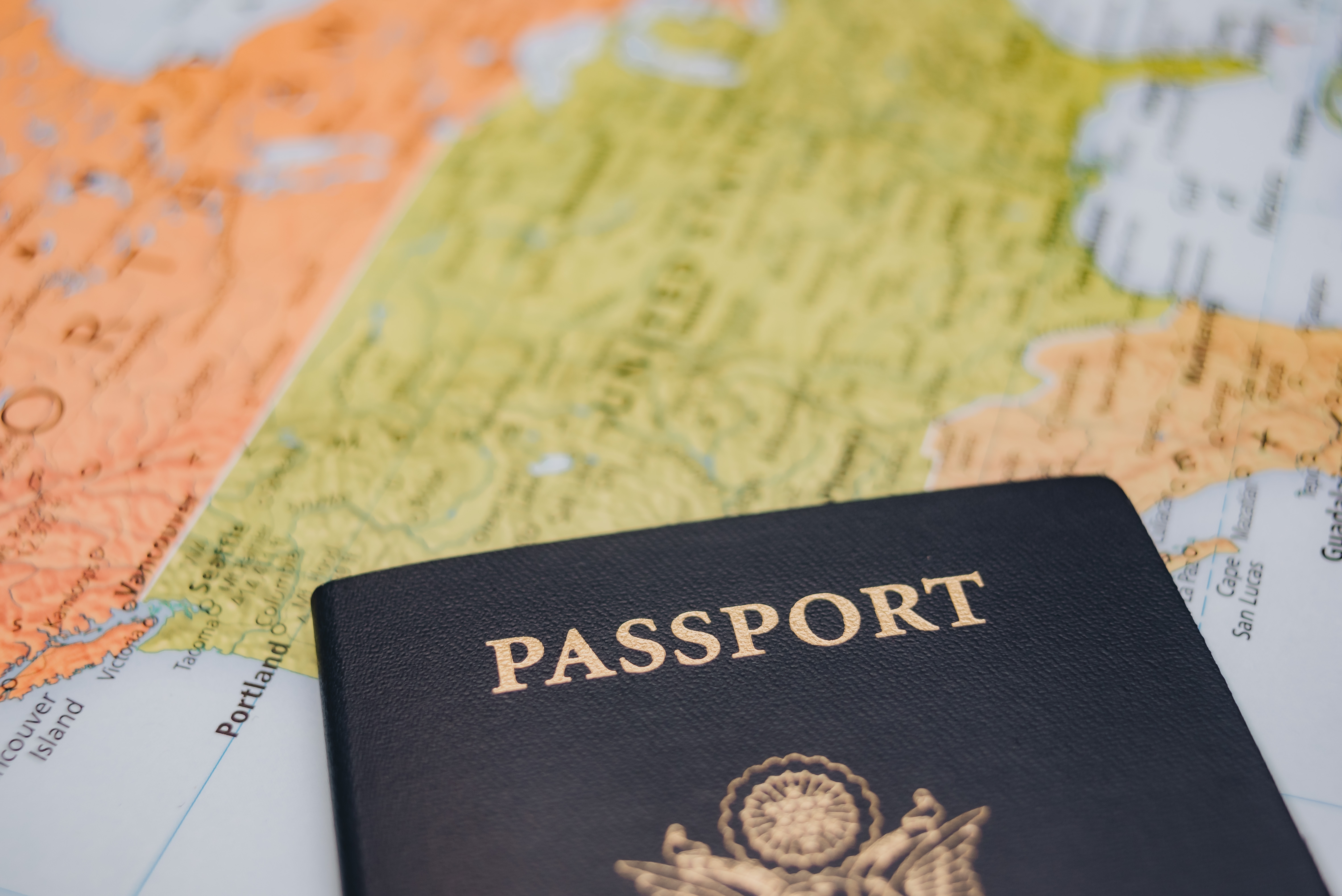
What Dual Nationality Means
Dual nationality, also known as dual citizenship, is a legal status in which a person is recognized as a citizen of two countries at the same time.
This status allows individuals to enjoy the rights and privileges offered by both nations, such as the ability to live, work, or travel freely in either country.
Dual nationality can arise by birth, descent, marriage, or naturalization, depending on each country’s laws.
Key Features of Dual Citizenship
People who hold dual nationality may possess two passports, vote in two countries, and access social or public benefits offered by both nations.
They may also have obligations — such as taxes or military service — that apply differently in each country. Because laws vary widely, the rights and duties associated with dual citizenship depend entirely on the specific countries involved.
Who May Qualify for Dual Nationality
Eligibility for dual nationality depends on national laws and may include individuals who:
- Were born in one country to parents from another
- Acquire citizenship through marriage
- Become naturalized in a new country while retaining their original citizenship
- Have parents from different countries
Not all countries allow dual citizenship, and some require individuals to renounce their previous nationality when obtaining a new one.
How Dual Citizenship Affects Legal Obligations
Holding two nationalities may subject an individual to legal responsibilities in both countries. These could involve taxation, compulsory military service, or compliance with specific immigration rules.
Dual citizens must stay aware of how each country interprets their legal status, especially when traveling or residing abroad.
Obtaining or Confirming Dual Nationality
The process for obtaining or recognizing dual nationality varies. Individuals may need to apply through immigration authorities, provide proof of ancestry, or complete naturalization procedures.
In some cases, dual nationality is automatic at birth. Others must follow formal steps to confirm their status.
Applicants should check the laws of both countries to ensure dual citizenship is permitted.
Important Considerations for Dual Citizens
Dual citizens should understand how their status affects international travel, military obligations, taxation, and diplomatic protections.
In some situations, one country’s laws may take precedence over another’s. It is also important to travel with the appropriate passport depending on the destination and legal requirements.
Staying informed about both countries’ regulations helps prevent legal complications and ensures smooth international movement.