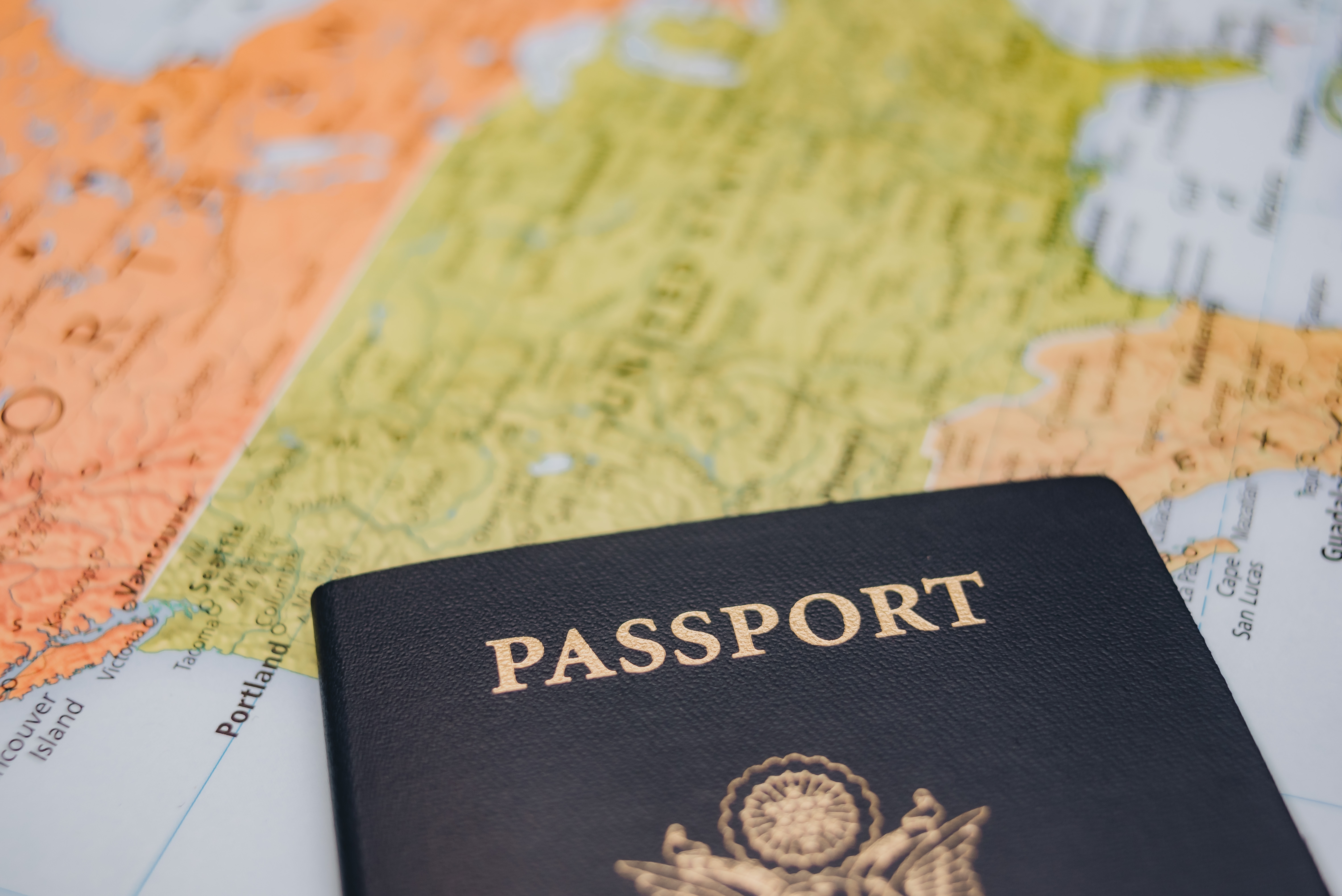
What is a Biometric Passport
A biometric passport, also known as an e-passport, is a travel document that includes an embedded electronic chip containing biometric information about the passport holder.
This technology enhances security and helps prevent identity fraud, ensuring that only the rightful owner can use the passport for international travel.
Biometric passports are issued by most countries worldwide and are designed to meet international standards for identification and border control.
They combine traditional passport features, such as personal details and a photograph, with digital biometric data, typically including fingerprints, facial recognition data, and sometimes iris scans.
Key Features of a Biometric Passport
Biometric passports contain several important features that distinguish them from traditional passports:
- Embedded electronic chip: Stores biometric data securely.
- Digital photograph: Used for facial recognition systems at border checkpoints.
- Machine-readable zone (MRZ): Allows automated scanning and verification.
- Enhanced security elements: Holograms, microprinting, and other anti-counterfeiting measures.
These features work together to improve the efficiency and accuracy of border control while reducing the risk of forgery or impersonation.
Benefits of a Biometric Passport
Biometric passports offer meaningful benefits for both travelers and border authorities. Travelers experience faster, more streamlined processing at immigration checkpoints, often with access to automated e-gates that reduce wait times.
Authorities benefit from enhanced security measures that make identity verification more accurate, reduce the risk of fraud, and support international cooperation in border management and law enforcement.
Eligibility and Requirements
To obtain a biometric passport, applicants generally need to provide:
- A completed passport application form
- Proof of citizenship (e.g., birth certificate or naturalization certificate)
- Valid identification documents
- Passport-sized photographs meeting specific standards
- Payment of applicable fees
Some countries may also require applicants to provide fingerprints or undergo a facial recognition scan as part of the application process.fk
How to Apply for a Biometric Passport
Applying for a biometric passport usually involves submitting an application at a government passport office, embassy, or authorized agency.
Applicants must provide the required documentation, have their biometric data collected, and pay the applicable fees.
Processing times can vary depending on the country and the type of service requested.
Validity and Renewal
Biometric passports are typically valid for a period of 5 to 10 years, depending on the issuing country and the age of the passport holder.
Renewal procedures are similar to initial issuance, often requiring updated photographs, verification of identity, and a new application.